

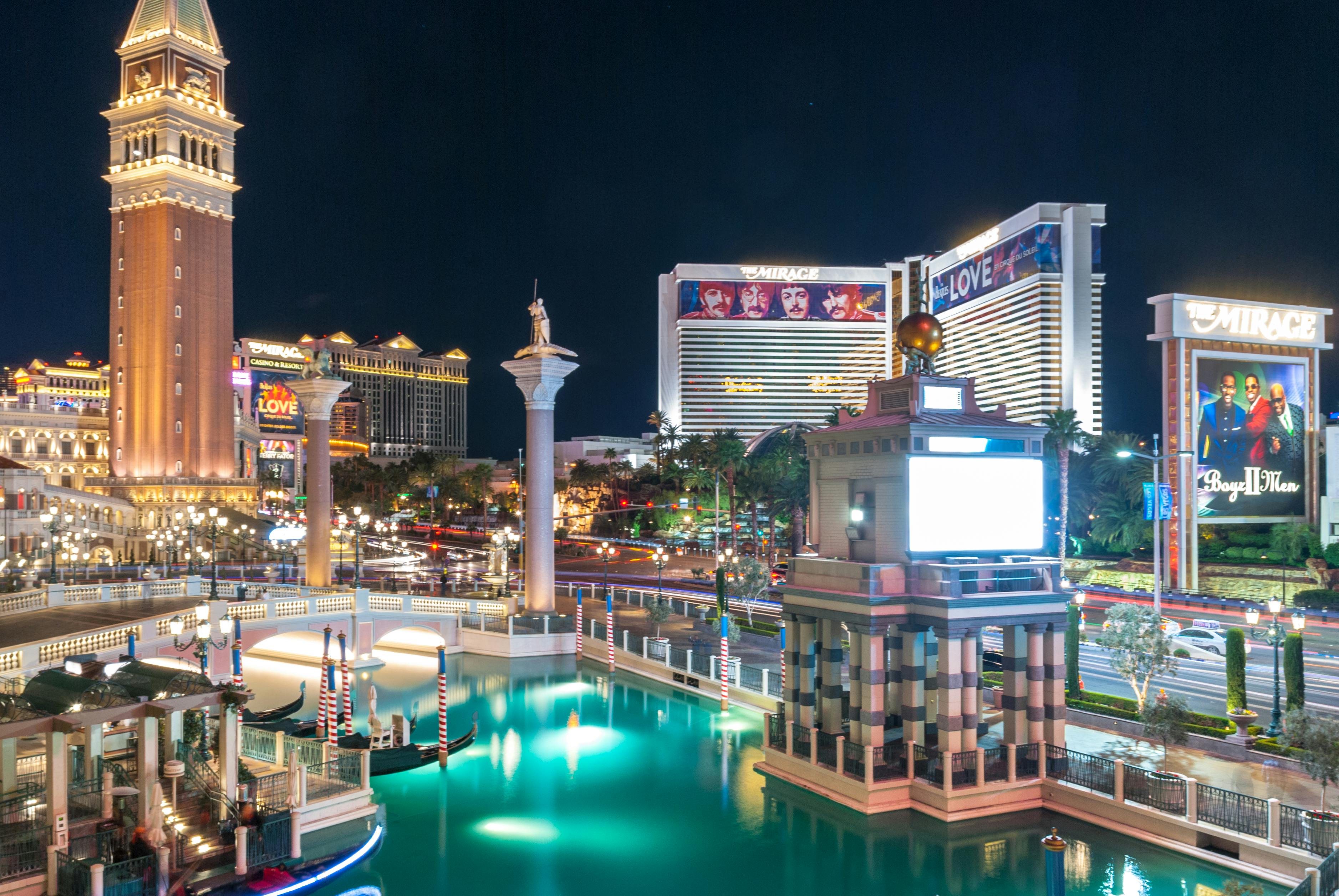
Visitor numbers to Las Vegas are falling drastically. Is it online entertainment keeping visitors at home with its competitive offerings, or are other forces at play?
Elvis Presley once sang, “How I wish that there were more than the 24 hours in the day. Even if there were 40 more, I wouldn’t sleep a minute away.” The lyrics in question hail from the track ‘Viva Las Vegas’ and are an ode to how many visitors to the city feel. With its glittering golden spires and plush casino lounges, the ring of slot machines hangs heavy in the air. Yet a change is taking place in Vegas, one that a revolution in digital entertainment may spur on.
The Shifting Sands Underneath The Nevada Desert
This summer, visitors to Las Vegas may have been bracing themselves for competition with the swathes of other tourists lining the city streets. Expectations may have included bustling casino halls, long waits for restaurants and queues for attractions. Yet if you were one of those arriving, you may have been pleasantly surprised. Visitor numbers to Las Vegas were down considerably, with just 3.1 million visitors to the city in June.
Combined with July and August, there were 10% fewer visitors to Vegas than in 2024. By July, the state had seen visitor numbers fall for a straight six months. The same month saw a decline of 12% from the year before.
Across the globe, iGaming services are booming. They allow people to make bets online and even play casino games. This has been spearheaded by major brands such as Betway, who provide a service for both casino and sports betting under one umbrella. Moving into new markets such as Nigeria, logging on and placing a bet or having a go on the roulette wheels is easier than ever. All players need is a smartphone and a connection. This is in contrast to visiting a real casino, where prices are high before you even get into the casino itself.
Casino Revenue Still Promising
This is evident in the fact that casino profits are booming. Nevada gaming revenue reached $1.36 billion in July alone, an increase of 4% on the year before. It seems that though visitors are fewer, those who are coming are spending more. In July, casinos on the strip made $749 million, which was a 5.6% boost. Even in the downtown area, revenue still rose by 3.6% year on year.
The story is similar 3000 miles away in Atlantic City. The city is the second most well-known destination for casino travel and the second biggest in terms of revenue. It has also seen the numbers at its casinos go down. This is despite gambling revenue going up, with 0.6 million more visitors through the Atlantic City Expressway compared to the year before.
Are the Many Advantages of Online Casinos Keeping Vegas Visitors Away?

An immediate conclusion often made when discussing Vegas’s falling visitor numbers is that the online play is keeping people away. Providers such as Betway do a sterling job of providing the best slots and bonuses for customers, who want the ease of use gained when playing on a smartphone or browser. However, the real story is more complex than this.
Convenience is obviously a benefit when playing from a device. Around 88% of all visitors to Las Vegas are from within America itself, as opposed to being based internationally. California, with its rigid gambling laws, is an obvious feeder state, including visitors from Los Angeles itself, Seattle, Houston and San Francisco.
There are only seven states that currently allow you to access online casino gambling in the United States, though getting around this is easy. It only takes a VPN to be able to circumvent these restrictions, despite the best efforts of authorities to clamp down. Thus, even though states may not allow online gambling, getting around it is easy, and this could be damaging to tourist numbers in Vegas.
Another advantage of playing online could be the associated costs. Look at any online forum or advice site, and you will see comments about extortionate prices in Las Vegas. With $40 parking charges and sky-high hospitality, visitors have speculated that the city has lost its value. A cocktail in Gordon Ramsay’s Hell’s Kitchen at Caesar’s Palace costs $30, but even a coffee from cheaper places on the strip can set you back $14. In fact, consumer prices have risen by 2.7% overall and by 3.5% for food.
Looking back, blaming online casinos for Las Vegas’s woes is an easy swipe. The reasons are much more complex, involving pricing, macroeconomic conditions and greed itself. If Vegas wants tourists back, it needs to evolve, as well as lower prices, to bring back the people who once viewed it as a cheap and cheerful holiday destination.